Future of Human Resource Management: 6 Trends to Watch

The Future of Human Resource Management: 6 Shifts Underway
Human resource management is changing faster than at almost any point in recent memory, driven by new technology, shifting employee expectations, and a business environment where talent has become a genuine competitive advantage rather than a support function. Understanding the future of human resource management helps organizations prepare for changes already underway rather than reacting to them after competitors have adapted first. As workplaces continue evolving, staying ahead of these shifts offers a genuine, practical advantage for HR leaders and business owners alike.
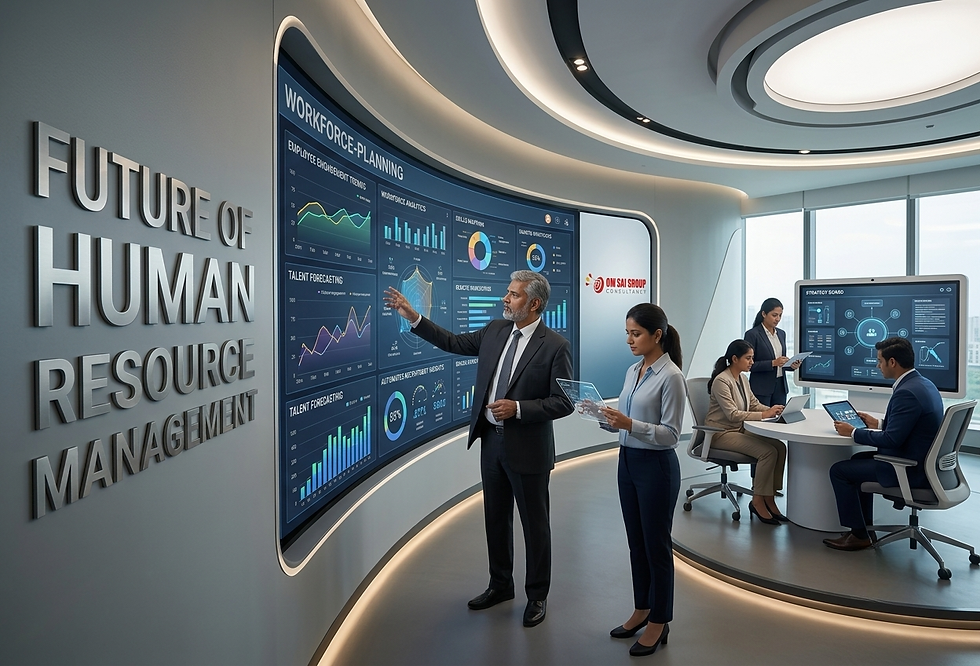
Whether you're an HR leader trying to anticipate what your function will look like in five years, a business owner wondering how these changes will affect hiring and retention, or simply someone curious about where workplace practices are heading, understanding these emerging shifts provides useful context for decisions being made today.
None of these shifts happen overnight, but organizations that recognize and prepare for them tend to navigate the transition more smoothly than those caught off guard.
Why HR Is Changing So Significantly Right Now
Several forces are converging at once: artificial intelligence is changing how work gets done and how candidates are evaluated, employee expectations around flexibility and purpose have shifted permanently since the pandemic reshaped how people think about work, and data availability now allows people decisions to be made with far more evidence than gut instinct alone. Industry research on workplace trends consistently points to these converging forces as reshaping HR's role from an administrative function into a genuinely strategic one.
This convergence is exactly why HR's future looks meaningfully different from its past. Functions that were once purely administrative, like scheduling interviews or processing paperwork, are increasingly automated, freeing HR professionals to focus on strategic work that technology can't replicate.
Six Shifts Shaping the Future of HR
1. AI-Assisted Recruitment and Screening Artificial intelligence is increasingly used to screen resumes, match candidates to roles, and even conduct initial assessments, though genuine human judgment remains essential for final decisions and cultural fit evaluation.
2. Skills-Based Hiring Over Credential-Based Hiring Organizations are increasingly evaluating candidates based on demonstrated skills rather than degrees or job titles alone, opening opportunities to candidates who gained relevant capability through non-traditional paths.
3. Data-Driven People Decisions HR decisions around hiring, retention, and development are increasingly informed by data and analytics rather than intuition alone, requiring HR professionals to develop genuine comfort with data interpretation.
4. Employee Experience as a Strategic Priority Organizations are treating employee experience, from onboarding through daily work life, as a genuine strategic priority affecting retention and performance, not just a nice-to-have.
5. Flexible and Hybrid Work as the Norm Flexibility around where and when work happens has become an expectation for many employees rather than an exception, requiring HR to build policies and culture that support this genuinely new normal.
6. HR as a Strategic Business Partner HR leadership is increasingly expected to sit alongside other business functions in strategic planning, connecting talent decisions directly to business outcomes rather than operating as a separate administrative silo.
What These Shifts Mean for Organizations Today
These changes require organizations to think differently about how they build HR capability. Investing in HR professionals who can interpret data and think strategically matters more than those who can only execute administrative processes. Building genuine flexibility into work policies, rather than treating it as a temporary pandemic-era concession, helps organizations attract and retain talent in a market where flexibility has become an expectation. Evaluating candidates on demonstrated skills, rather than credentials alone, widens access to talent that traditional hiring might overlook.
How Organizations Can Prepare for These Changes
Organizations preparing for HR's future should invest in developing data literacy among HR staff, genuinely evaluate whether their hiring practices assess real skills or simply credentials, build employee experience considerations into decisions across the organization, and ensure HR has a genuine seat at strategic planning conversations rather than being consulted only after major decisions are made.
Why This Matters for Both Large and Small Organizations
While large enterprises often adopt these shifts first, given greater resources, smaller organizations benefit just as much from understanding these trends, since they're often more agile and can implement changes like flexible work policies or skills-based hiring more quickly than larger, more bureaucratic organizations.
How Om Sai Group Consultancy Reflects These Emerging Practices
At Om Sai Group Consultancy, we bring over 18 years of workforce solutions experience, giving us practical insight into how these shifts are actually playing out across the companies we work with. Since our founding in 2008, we have grown into a trusted name in global recruitment, combining traditional recruitment expertise with genuine awareness of where hiring and HR practices are heading.
Our approach reflects these emerging practices through:
Skills-focused candidate evaluation, looking beyond credentials to genuine demonstrated capability
Data-informed hiring guidance, helping companies make evidence-based decisions rather than relying on assumption
Awareness of flexible work expectations, understanding how this affects candidate attraction and retention
Pan-India and global manpower supply, keeping pace with how talent markets are evolving across regions
Whether you're adapting your own hiring practices to these shifts or simply need recruitment support that understands where the field is heading, our team works closely with organizations to deliver practical, forward-looking hiring outcomes.
Final Thoughts
The future of human resource management is being shaped by AI, skills-based evaluation, data-driven decisions, and a genuine shift toward HR as a strategic partner rather than an administrative function. Organizations that recognize and prepare for these shifts now will navigate the transition more smoothly than those that wait until competitors have already adapted.
If you're looking for a recruitment partner who understands where HR practices are heading, Om Sai Group Consultancy is ready to help.
Get in touch with Om Sai Group Consultancy today to discuss your recruitment and staffing needs.
Frequently Asked Questions (FAQs)
1. How is artificial intelligence changing recruitment and HR?
AI is increasingly used for resume screening, candidate matching, and initial assessments, though human judgment remains essential for final decisions and cultural fit evaluation.
2. What does skills-based hiring mean, and why is it growing?
Skills-based hiring evaluates candidates on demonstrated capability rather than degrees or job titles alone, widening access to talent that gained relevant skills through non-traditional paths.
3. Why is employee experience becoming a bigger HR priority?
Organizations increasingly recognize that employee experience directly affects retention and performance, treating it as a strategic priority rather than a secondary concern.
4. Does Om Sai Group Consultancy incorporate skills-based evaluation into its recruitment approach?
Yes. We look beyond credentials to genuine demonstrated capability, alongside our pan-India and global recruitment capabilities.
5. How is HR's role shifting toward strategic business partnership?
HR leadership is increasingly expected to connect talent decisions directly to business outcomes and participate in strategic planning, rather than operating as a separate administrative function.
6. Do smaller organizations need to worry about these HR trends, or just large enterprises?
Smaller organizations benefit just as much, and are often more agile in implementing changes like flexible work policies or skills-based hiring than larger companies.
7. How long has Om Sai Group Consultancy been adapting its recruitment approach to evolving HR practices?
We've been operating since 2008, giving us over 18 years of combined recruitment experience supporting companies pan-India and globally.

Comments